
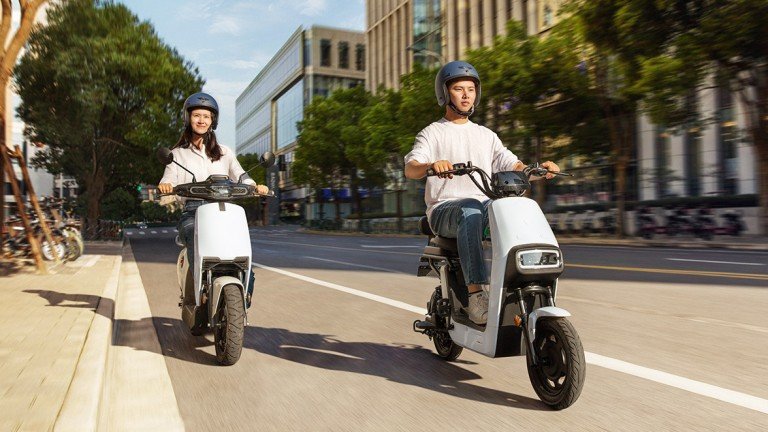
Low-speed electric two-wheelers (LSEVs) have gained significant popularity globally, especially in densely populated urban areas. These vehicles offer a cost-effective, eco-friendly alternative to conventional motorbikes and cars. In this blog, we’ll explore the essential structural components of low-speed electric two-wheelers, providing insights into what makes these vehicles efficient and practical.
1. Frame and Chassis: The Foundation
The frame of a low-speed electric two-wheeler forms the foundation, providing structural support and ensuring safety. Typically made from lightweight yet durable materials like steel or aluminum, the frame is designed to bear the weight of the rider, battery, and motor. Its ergonomic design ensures balance and stability, which are crucial for a smooth ride, especially in congested city environments.
2. Battery: The Powerhouse
At the heart of every LSEV is its battery. Most low-speed electric two-wheelers are powered by lithium-ion or lead-acid batteries. Lithium-ion batteries, though more expensive, offer longer life cycles and faster charging times. These batteries are usually placed under the seat or integrated into the vehicle’s frame to maintain a low center of gravity, which improves stability during rides.
Battery capacity directly impacts the range of the vehicle, making it a critical feature for users to consider.
3. Motor: Driving the Wheels
The motor is the vehicle’s driving force, converting electrical energy from the battery into mechanical power. In LSEVs, hub motors are most commonly used due to their compact size and efficiency. These motors are typically located in the rear wheel hub, providing direct power transmission without the need for complex gear mechanisms.
4. Controller: The Brain of the Vehicle
The controller acts as the brain of the electric two-wheeler, managing the power flow from the battery to the motor. It regulates speed, torque, and braking, ensuring a smooth ride. Modern controllers also integrate safety features, such as overheat protection and regenerative braking, which recharges the battery during deceleration.
5. Braking System: Ensuring Safety
For any vehicle, safety is paramount, and low-speed electric two-wheelers are no exception. Most LSEVs are equipped with either disc brakes or drum brakes. Disc brakes, known for their superior stopping power, are more common in high-performance models, while drum brakes are favored in budget-friendly options due to their low maintenance costs.
6. Lights and Display: Enhancing Visibility and Control
LED headlights, tail lights, and brake lights are standard in most electric two-wheelers, ensuring visibility in low-light conditions. The display panel, usually located on the handlebars, provides the rider with essential information such as battery level, speed, and distance traveled, helping users monitor their journey.
Conclusion
The structural components of low-speed electric two-wheelers work in harmony to deliver a smooth, safe, and efficient riding experience. Understanding these elements not only helps consumers make informed decisions but also ensures they get the most out of their electric vehicle investment.
By focusing on the design and functionality of these vehicles, it’s clear that LSEVs are an ideal solution for modern urban transportation, combining eco-friendliness with practicality.